

Upgrade Your Skills, Strengthen Your Facility Team! Upgrade your skills. Strengthen your facility team. Be certified.
Facility management is the backbone of every organization—ensuring safety, efficiency, and smooth operations across electrical, mechanical, civil, and safety systems. To meet today’s demanding standards, technicians and support staff need more than just experience; they need structured, certified training.
That’s where the Certified Facility Management Technician (CFMT) Training – 2 Days comes in.
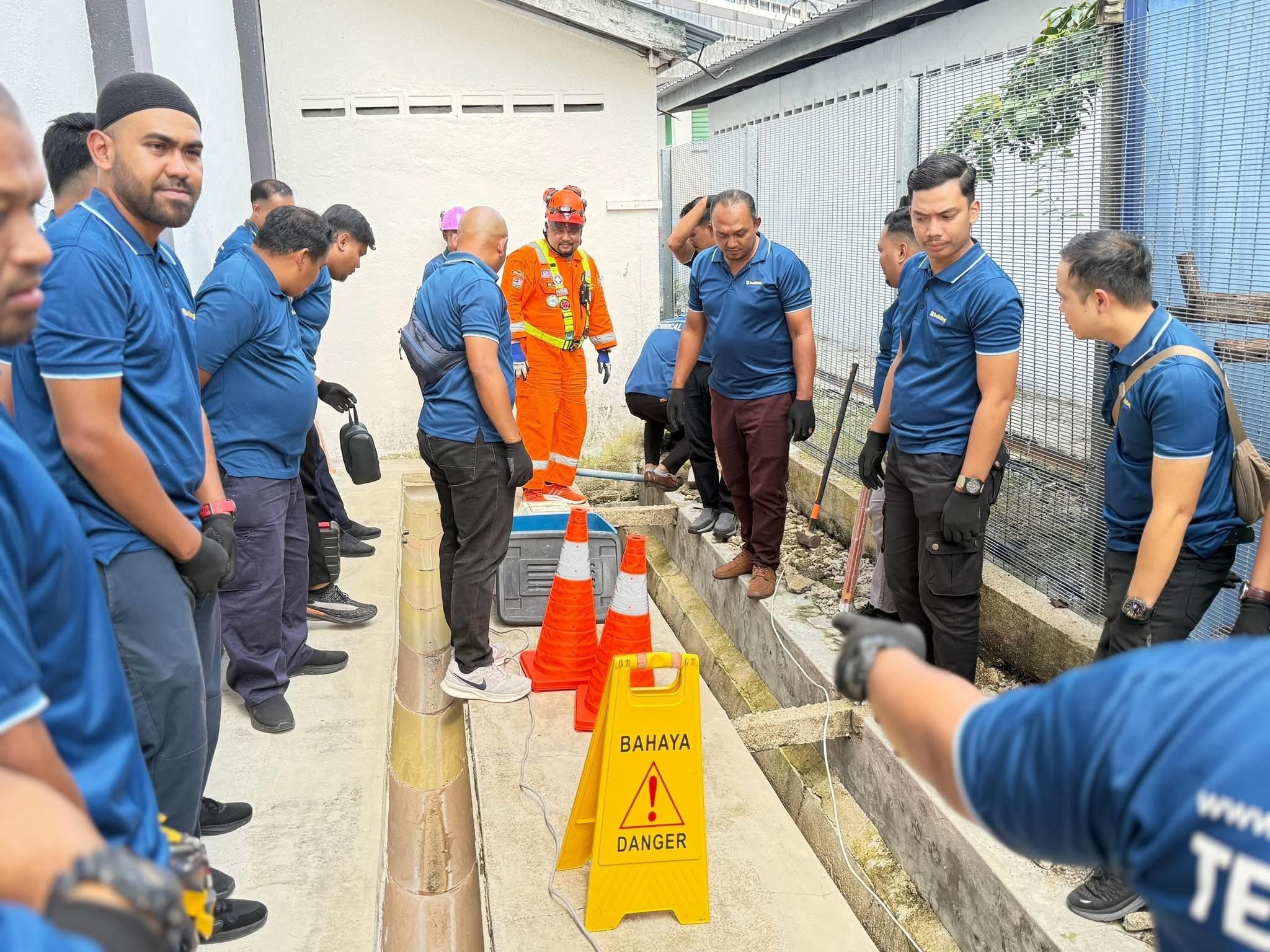
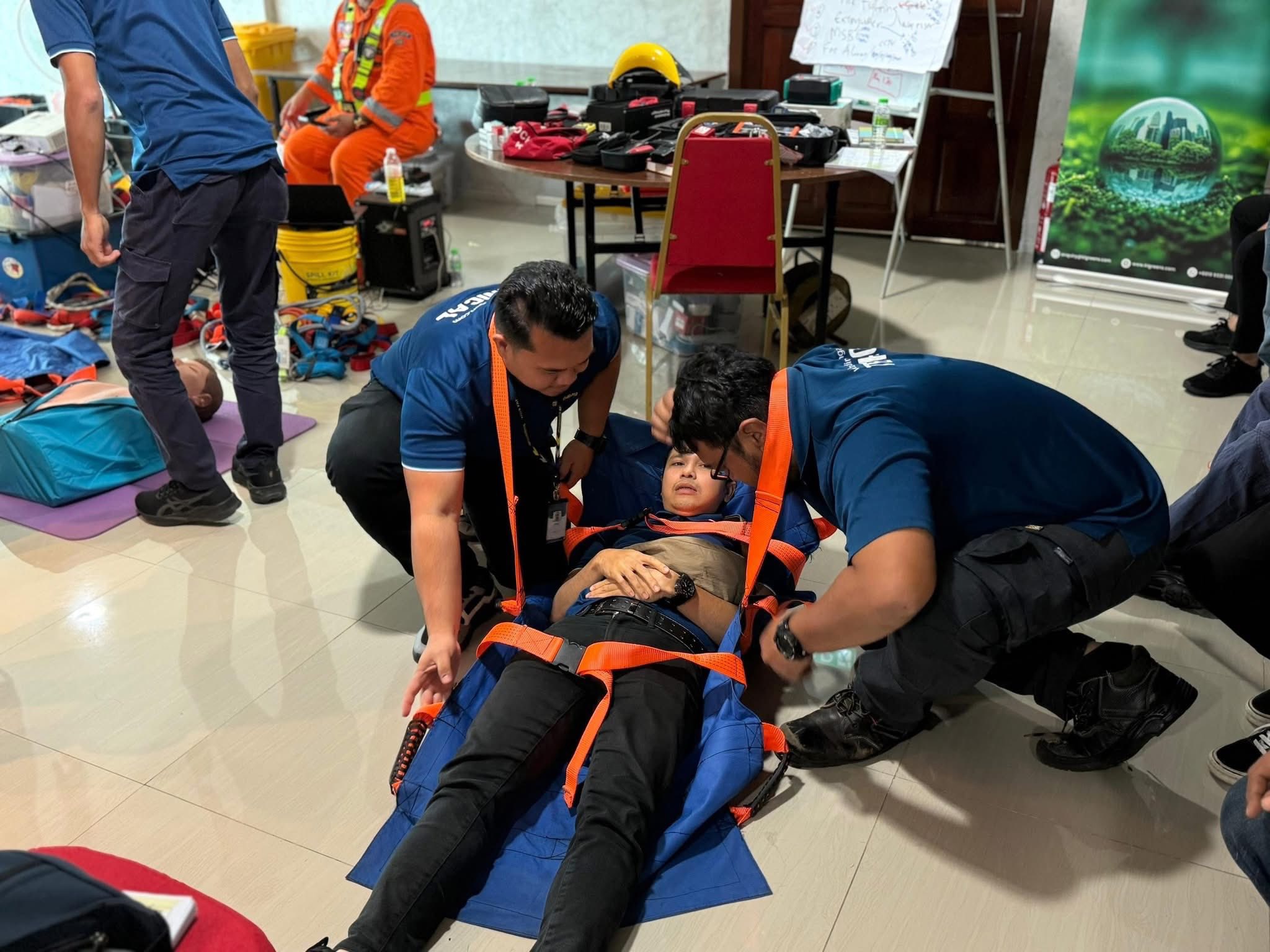
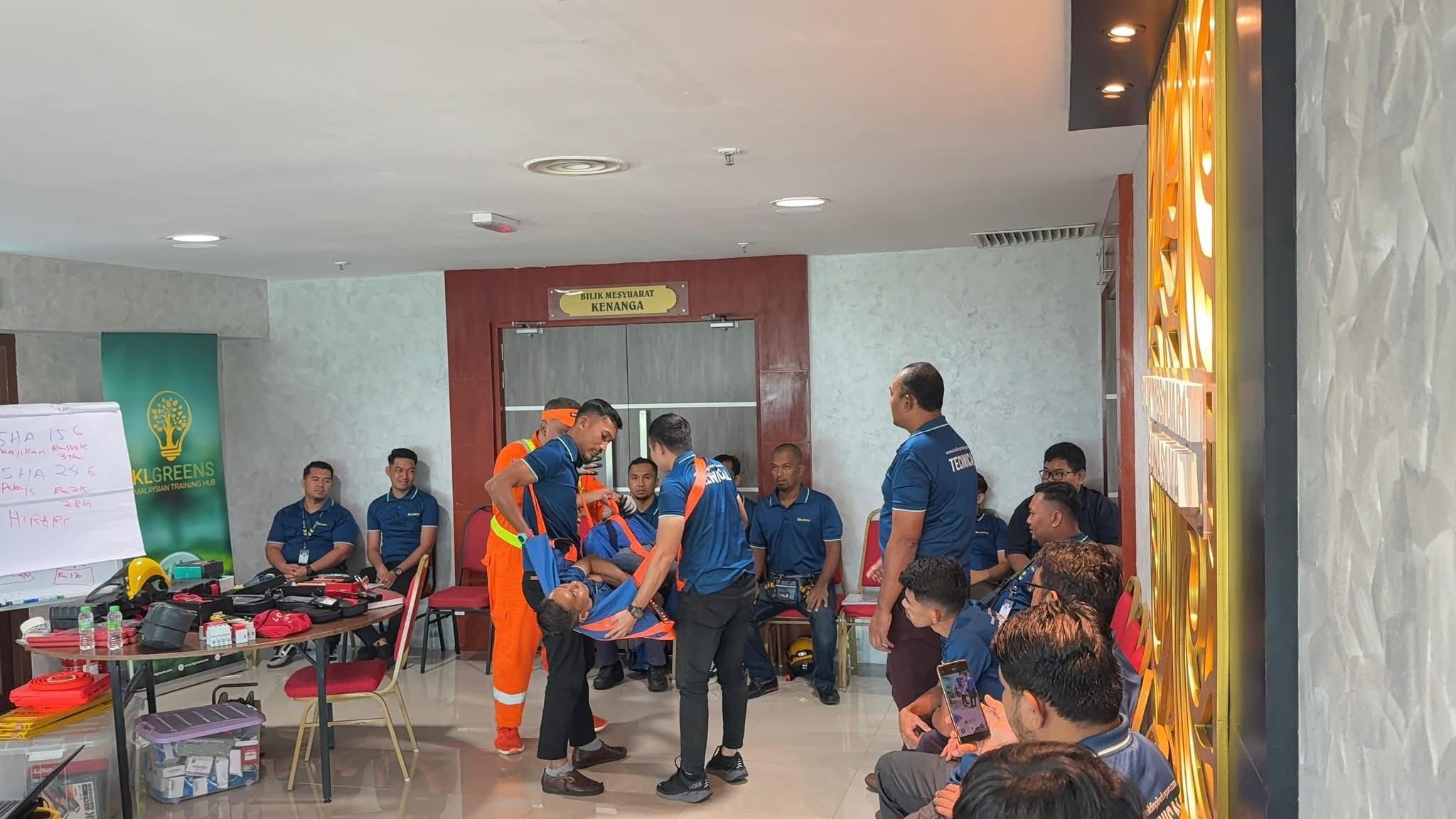
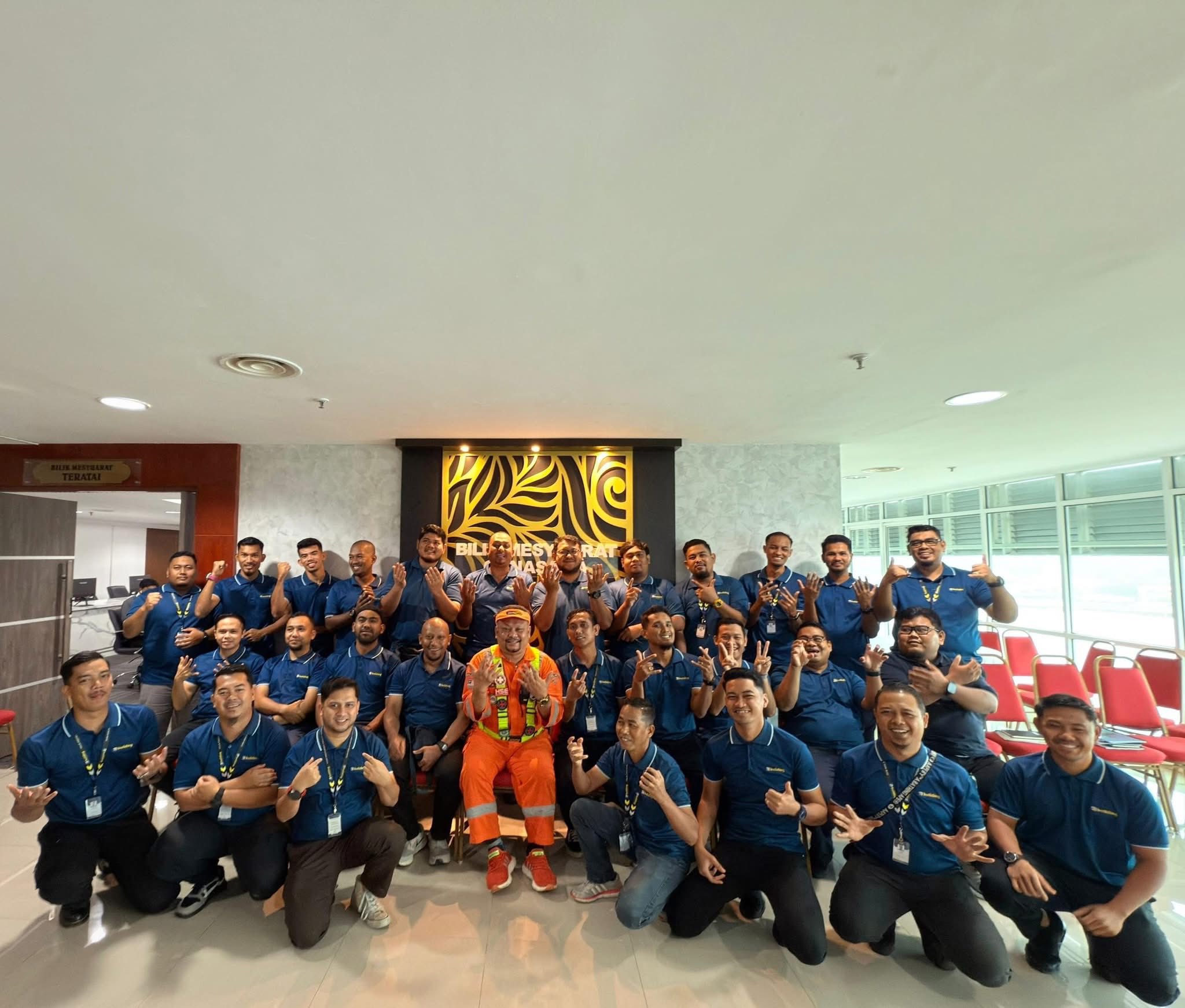
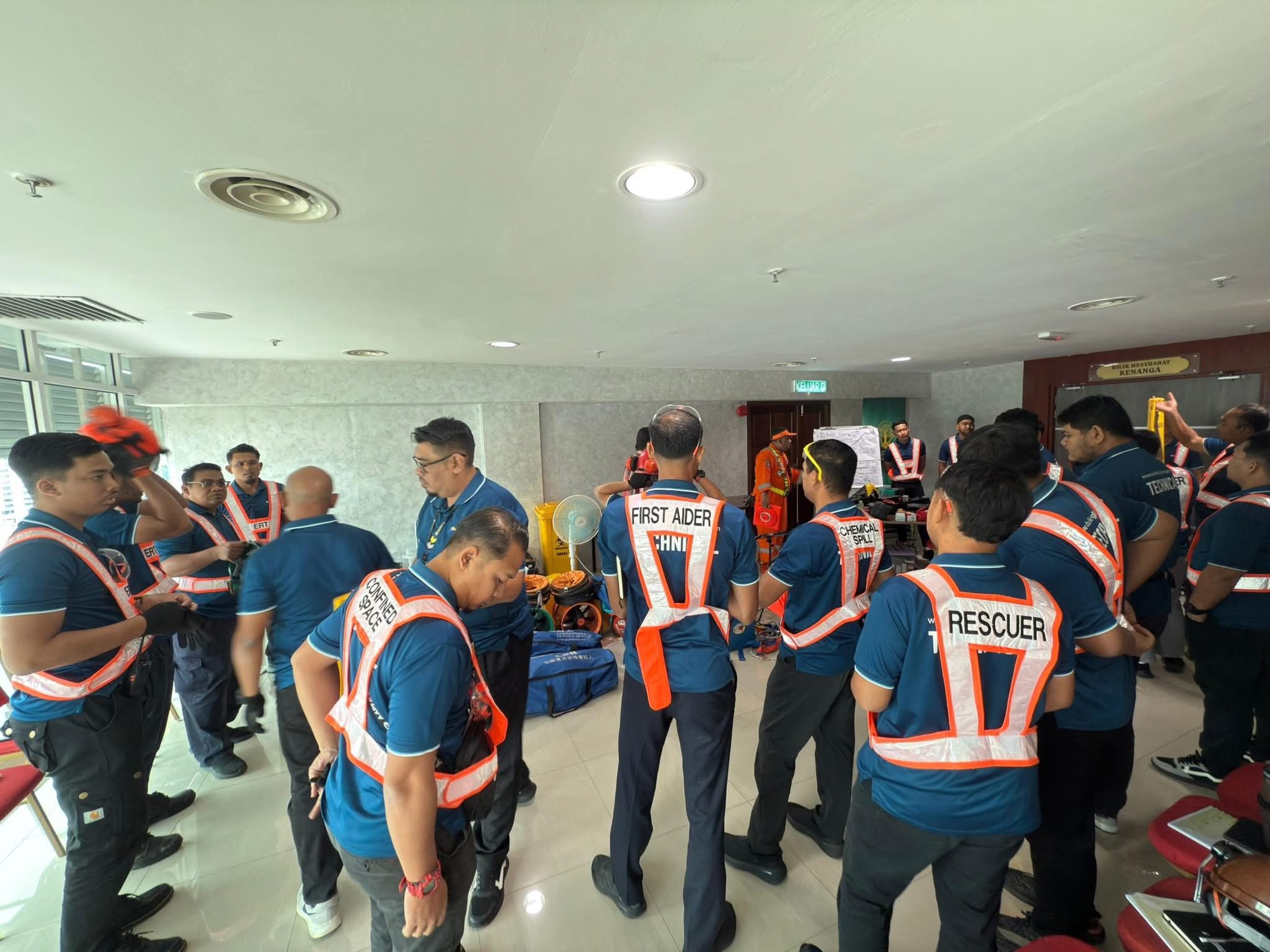
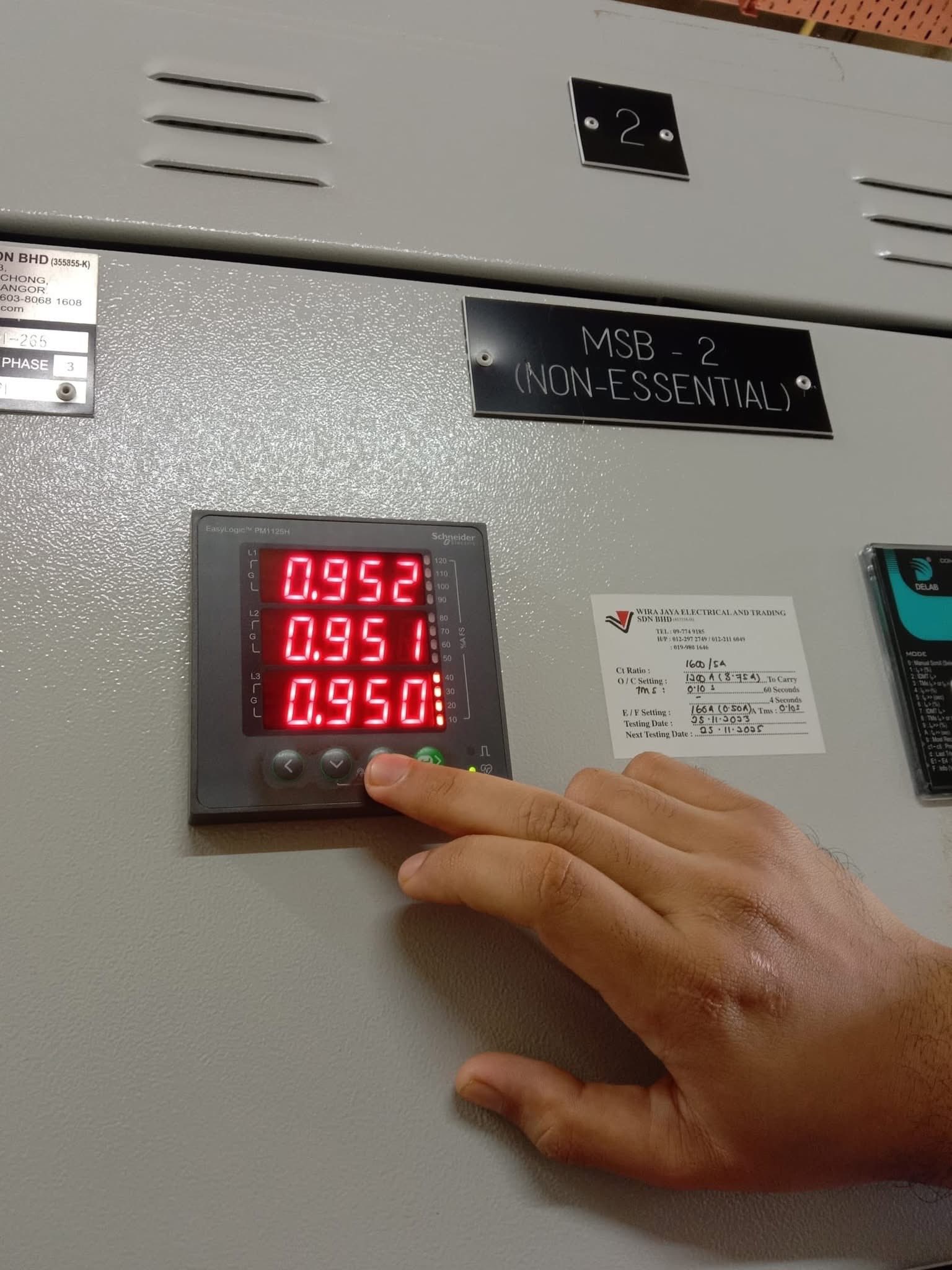
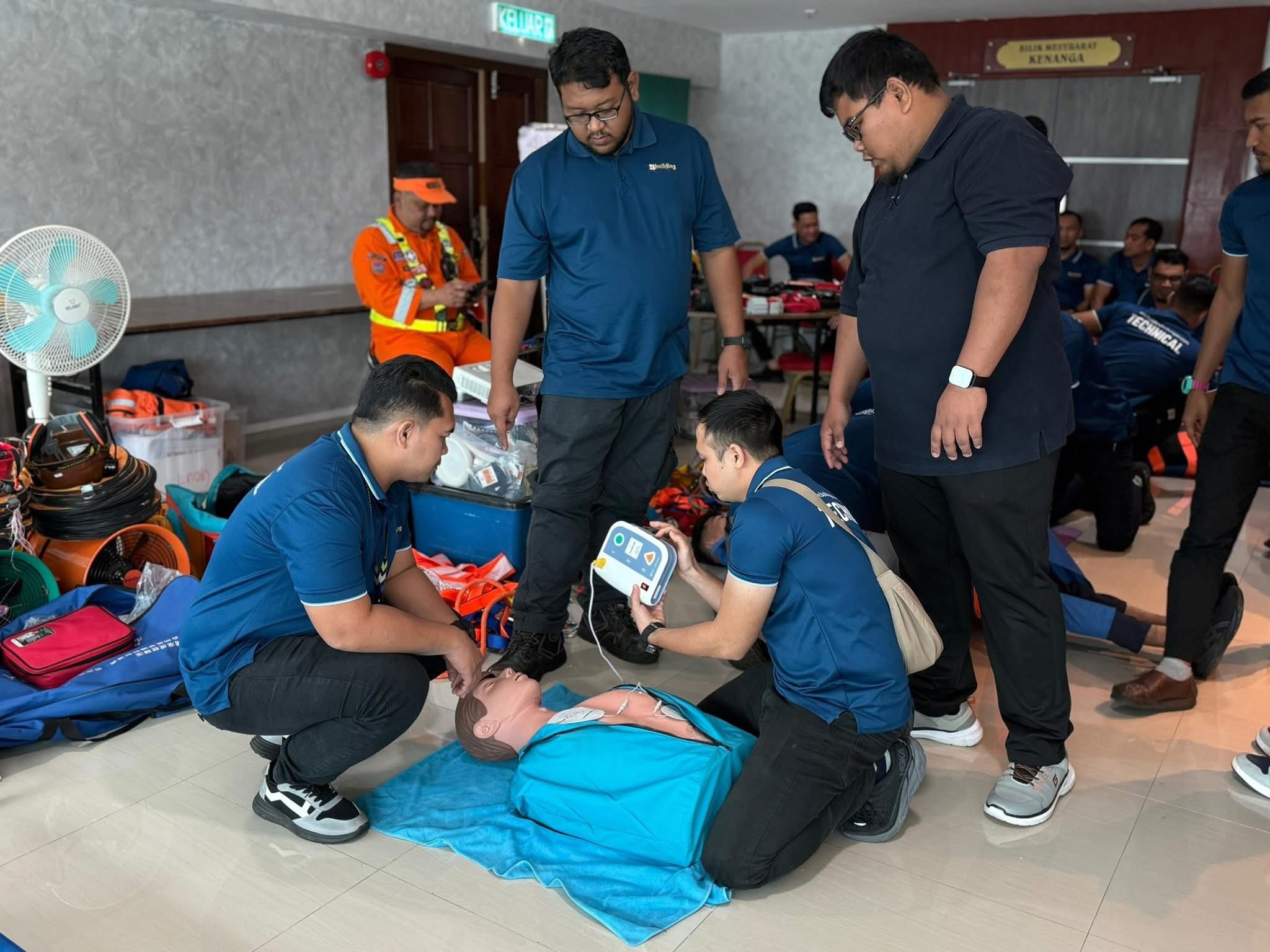
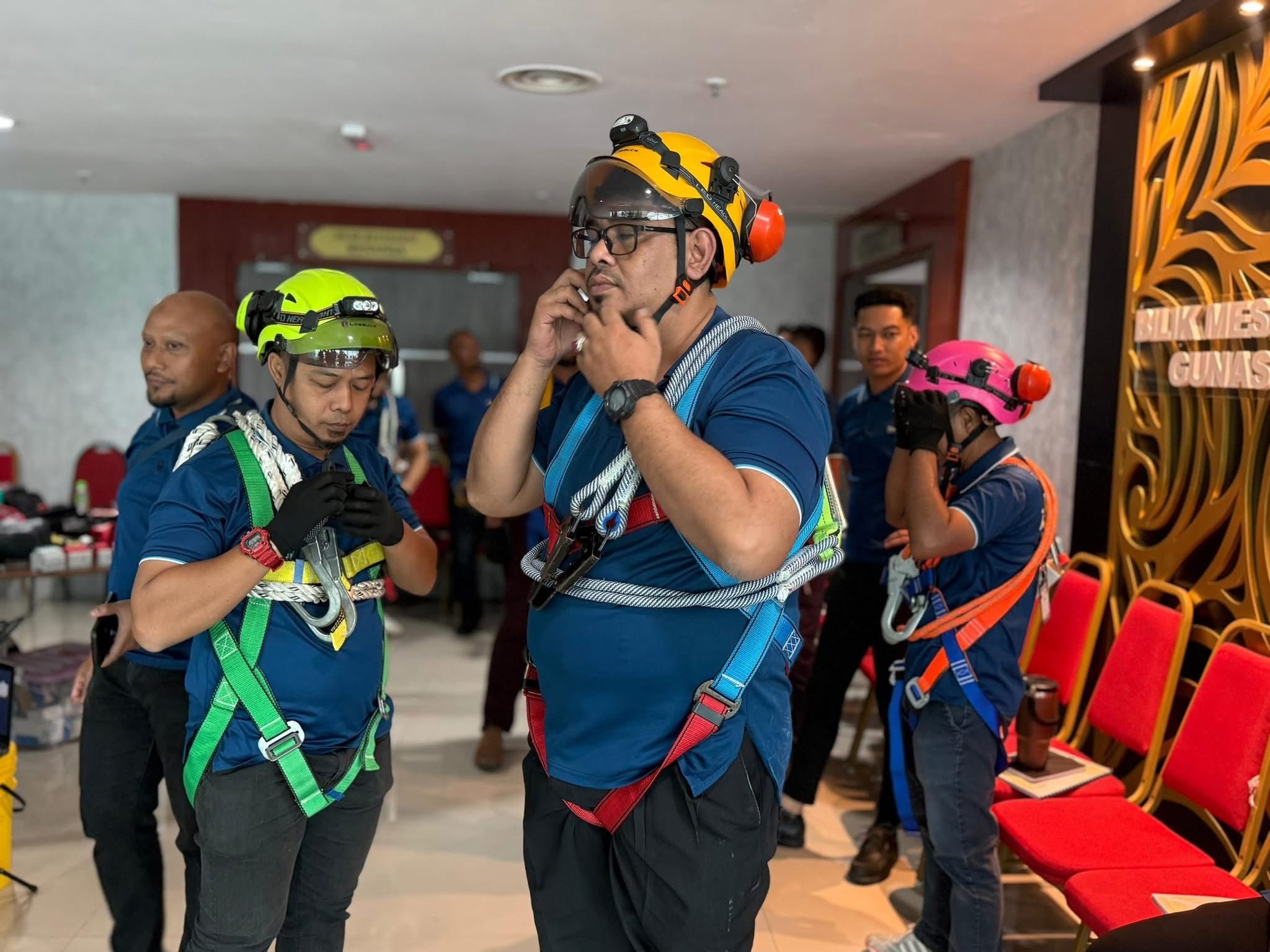
5 Core Modules You’ll Master
This intensive program is designed to cover the essential areas of facility management through five focused modules:
- Electrical Technician – Wiring, troubleshooting, and preventive checks to keep systems running safely.
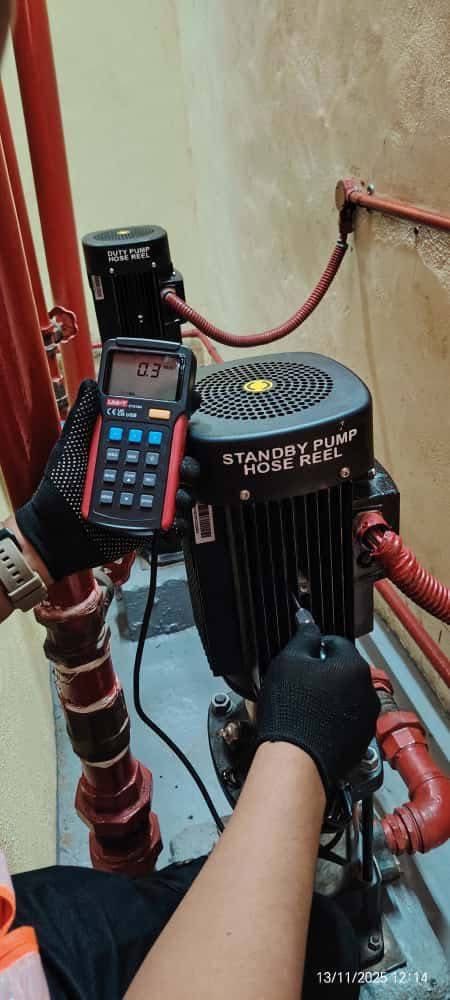
- Mechanical Technician – Pumps, motors, and maintenance know-how for reliable operations.
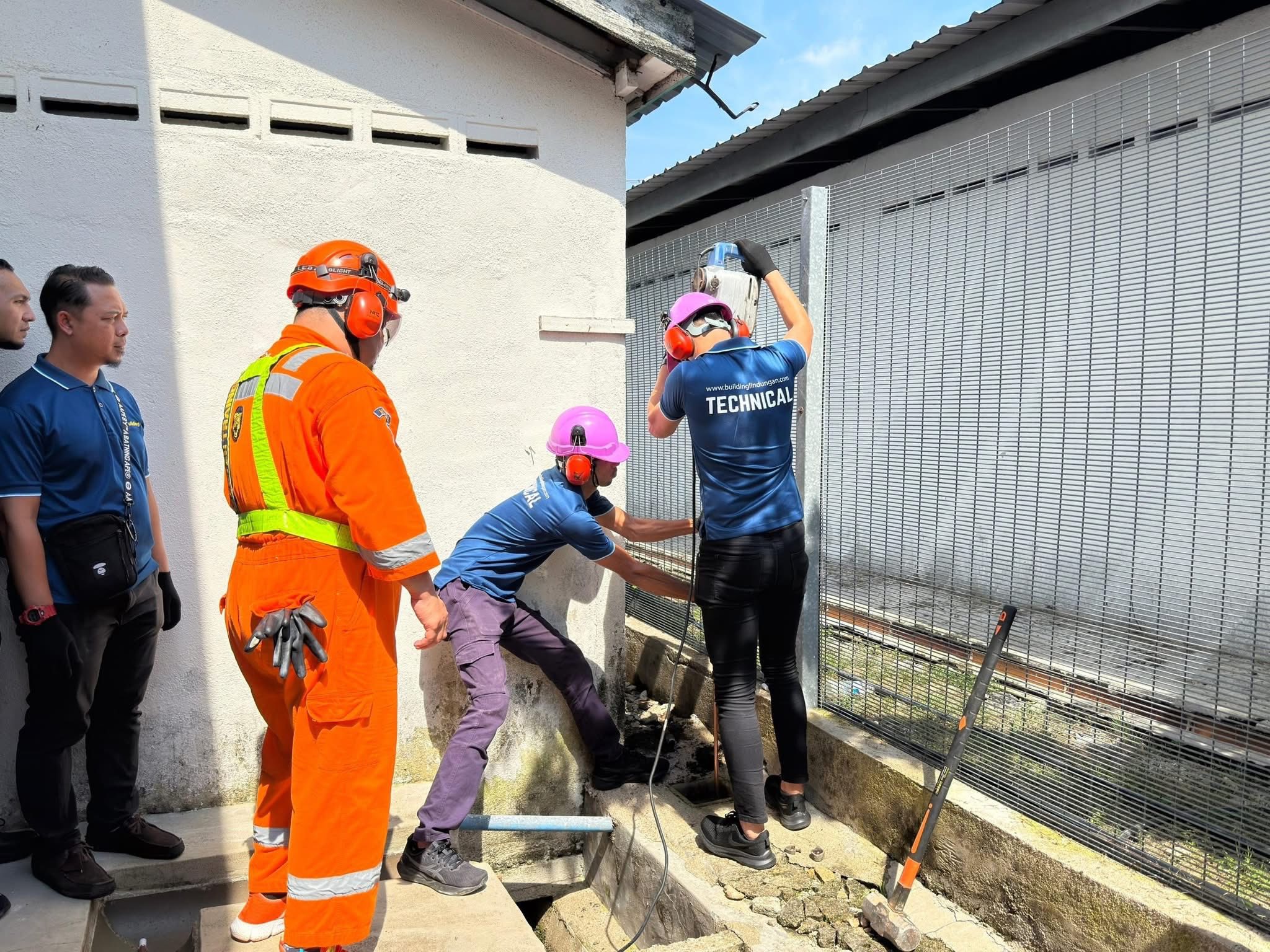
- Civil Technician – Building inspections, repairs, and basic masonry to maintain structural integrity.
- Instrumentation Technician – Handling sensors, panels, and calibration for accurate monitoring.
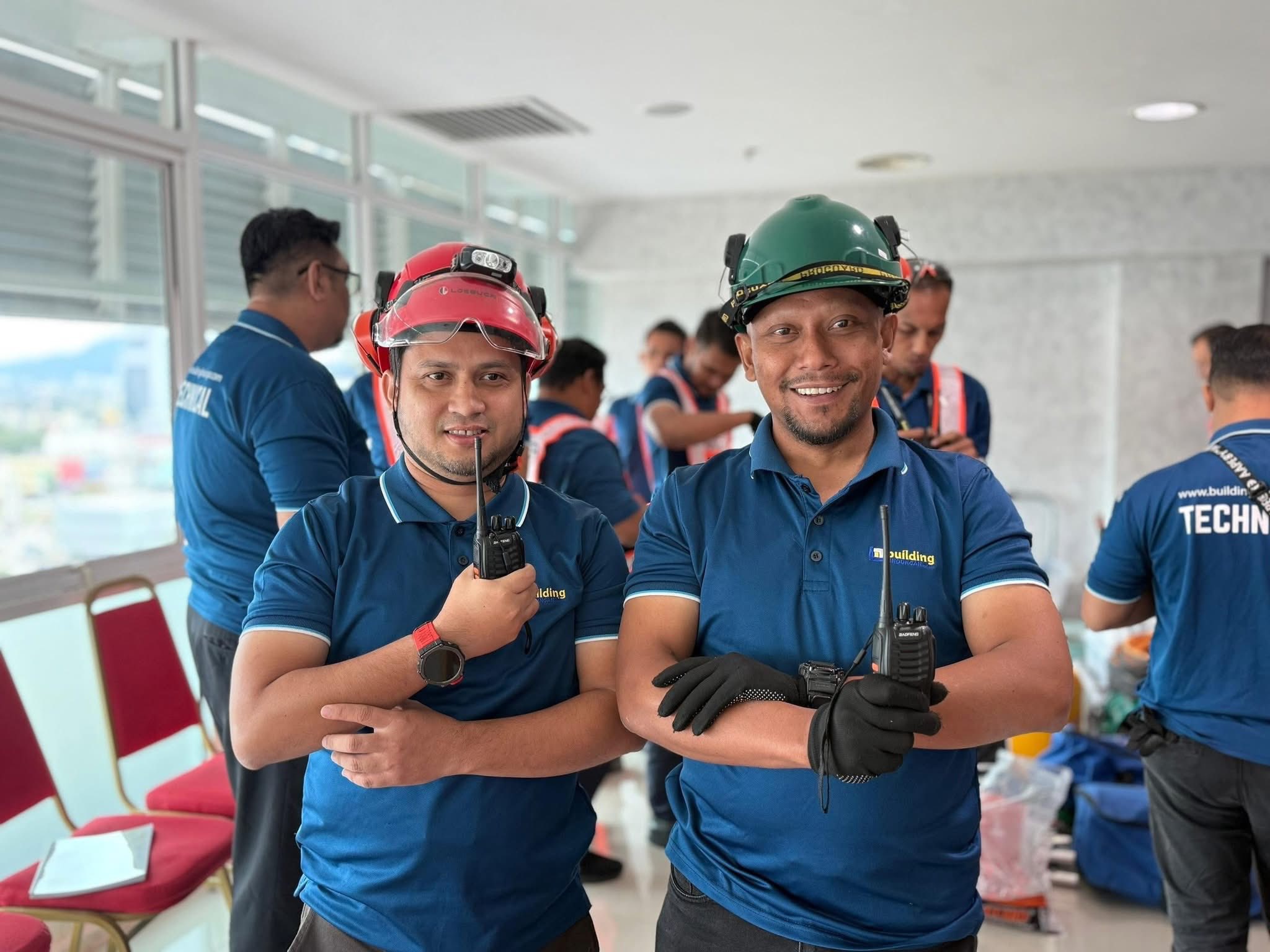
- Safety for Technician – PPE usage, hazard control, Lockout-Tagout (LOTO), and emergency preparedness.
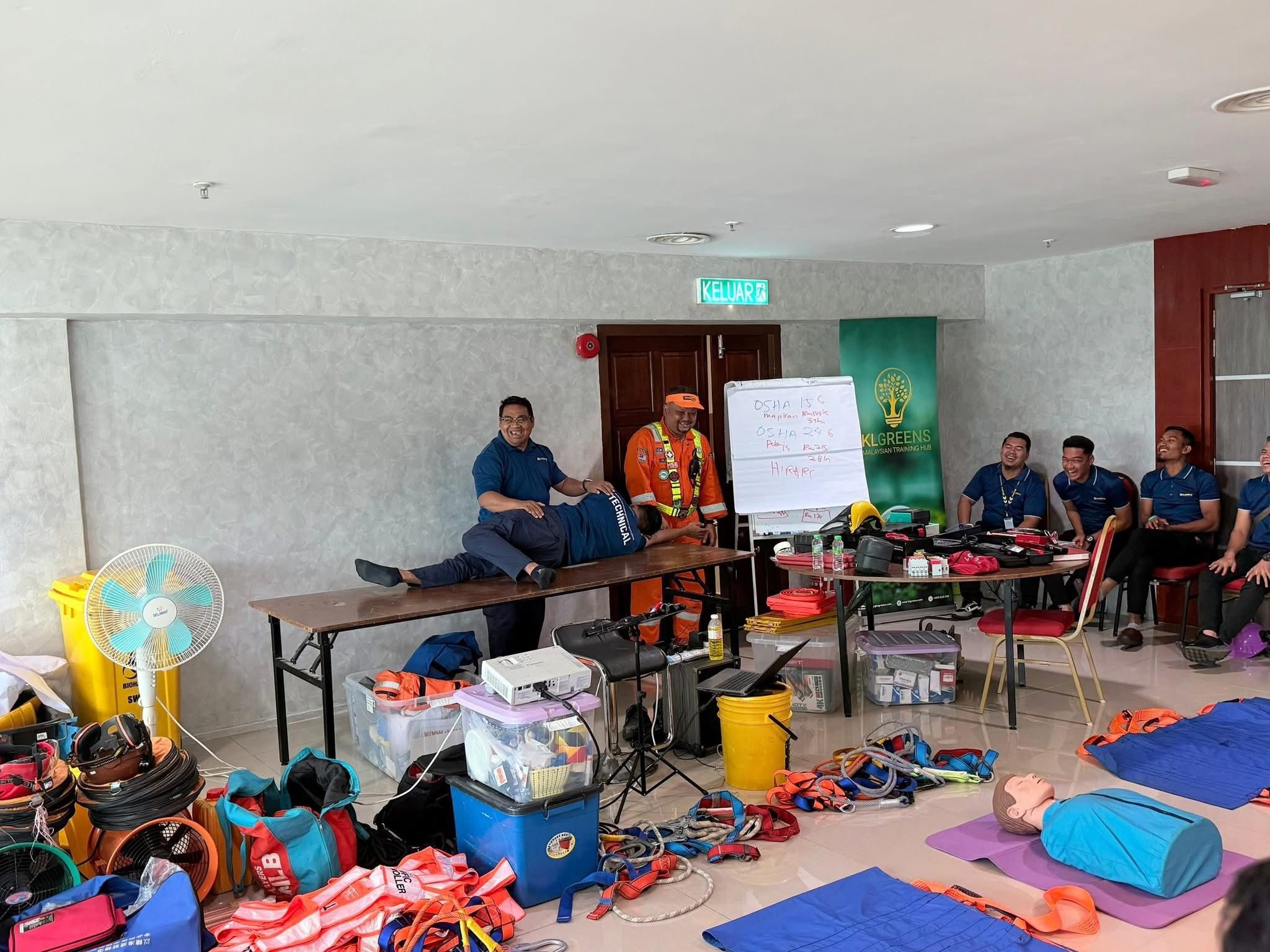
Hands-On & Practical Learning
This isn’t just theory. The CFMT program emphasizes practical, real-world learning through simulations, case studies, and hands-on exercises. Participants gain confidence by applying skills directly to scenarios they’ll face in their daily work.
Certification & HRD Corp Claimable
Upon completion, participants will receive a CFMT Certificate, validating their expertise in facility management. The program is also HRD Corp Claimable, making it a cost-effective investment for organizations committed to professional development.
Who Should Attend?
This training is perfect for:
- Technicians
- Maintenance crew
- Junior engineers
- Facility management support staff
Why It Matters
Facilities are more than just buildings—they are living systems that require skilled hands to keep them safe, efficient, and sustainable. By upgrading your team’s skills, you’re not only improving operations but also building resilience against emergencies and future challenges.